Welcome to Satori Recovery.
We provide world-class rehabilitation and treatment to those who suffer from addiction, substance abuse and mental health conditions and help to regain their lives.
Synthetic drug addiction, including MDMA and synthetic cannabinoids, can cause severe physical and psychological harm. Chronic use may lead to anxiety, paranoia, memory problems, and organ damage. Early intervention is critical for safe and effective recovery.
Detox programs are medically supervised to manage withdrawal symptoms. Personalized therapy plans include CBT, motivational interviewing, and group support. Detox ensures safety, comfort, and structured guidance throughout the early recovery phase.
Holistic therapies such as yoga, meditation, and sound therapy support mental and physical well-being. Individualized counseling helps patients understand triggers and adopt coping strategies. Family support programs provide education and foster a strong, supportive recovery network.
Post-treatment online support and aftercare programs reinforce relapse prevention. Satori Recovery’s Malaga facility offers private accommodations, wellness amenities, and a serene environment to support long-term recovery. Compassionate care and evidence-based approaches ensure sustainable sobriety
Synthesised opioids such as the aforementioned nitazenes and fentanyl, as well as heroin, are some of the most dangerous synthetic drugs available. Prescription opioids are often used to manage pain, and they are potent in that regard. However, because of the risk of dependence, they are generally recommended for short-term pain management.
Unfortunately, what makes opioids so addicting is that they produce a rush of euphoria, making those who use them dependent on opioids to function properly. Some may also use these opioids because their prescription was insufficient to manage chronic pain.
Synthesised opioids such as the aforementioned nitazenes and fentanyl, as well as heroin, are some of the most dangerous synthetic drugs available. Prescription opioids are often used to manage pain, and they are potent in that regard. However, because of the risk of dependence, they are generally recommended for short-term pain management.
Unfortunately, what makes opioids so addicting is that they produce a rush of euphoria, making those who use them dependent on opioids to function properly. Some may also use these opioids because their prescription was insufficient to manage chronic pain.
Synthetic cannabinoids are lab-made substances that are chemically similar to cannabis, though they may have demonstrably different effects when used. Synthetic cannabinoids can also be found in illicit vaping products, and they have been linked with health troubles, especially among younger people.
At Satori Recovery, we offer comprehensive treatment for substance use disorders. Some of the modalities that will be included in our treatment plans include:
Individual therapy consists of one-on-one talk therapies with a licensed therapist. These therapies will help you get to the root of your addiction and discover what’s causing your problems surrounding Synthetic Drugs
One example of individual therapy that may be used during treatment is cognitive-behavioural therapy. It’s a goal-oriented type of therapy that helps you reframe your thoughts and behaviours so that you can manage the symptoms of Synthetic Drugs
Group therapy is when you receive psychotherapy in a group setting. During group therapy, a therapist will guide sessions to ensure the session is productive and stays on track.
Group therapy offers several benefits beyond receiving treatment in a group setting. It’s also a way to receive peer support in a safe environment. Hearing the stories of other people can help reduce the feelings of isolation that are typically present when you’re going through addiction.
Holistic therapies aim to complement traditional therapies so that you have a more well-rounded recovery experience. These therapies may include yoga, mindfulness, art therapy, and more.
These are seamlessly integrated into your programme for a deeper level of healing. Engaging in holistic therapies also helps you rediscover passions and develop interests outside of addiction.
Aftercare is always important after going through inpatient treatment. After leaving a rehab centre, you’ll be constantly exposed to triggers that can lead to relapse. Maintaining what you have started is an important part of what needs to happen after primary treatment.
Aftercare plans provide continued therapy so you’ll know how to face challenges outside of rehab properly. We’ll also connect you with support groups, such as Alcoholics Anonymous or 12-step programmes, so that you can continue your recovery journey even after you leave our facility.
People who use synthetic drugs will exhibit different symptoms based on the drugs that they use. Opioid use will have significantly different symptoms from using cannabinoids.
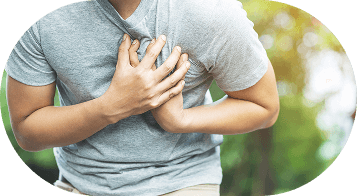
The signs of using synthesised opioids are similar to the symptoms of using any other opioids. People can often become drowsy, and their sleep patterns may be altered. Over time, they may exhibit other indicators, such as dramatic weight loss or decreased libido. They may also have flu-like symptoms frequently.
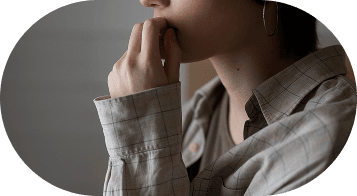
Using synthetic cannabinoids can cause someone to have headaches and frequent runny noses. People who use synthetic marijuana may also have watery eyes and increased blood pressure. Users may also experience lethargy and an irregular heartbeat.
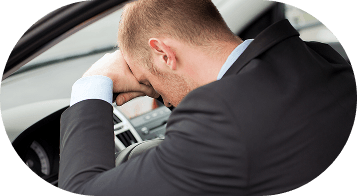
Xylazine is a sedative and is not meant or approved for human use. Despite that, some use it in conjunction with other substances. People who use xylazine may experience drowsiness, slowed breathing, slowed heart rate, and slowed breathing, which is common with sedative use.
Seeking drug treatment for addiction to substances can be difficult as many struggle in isolation and a feeling of powerlessness. However, addiction recovery is possible with the right tools to help you build a foundation and sustain it after treatment. At Satori Recovery, our team utilises evidenced-based approaches that have been established to work with people with addiction.

Cognitive behavioural therapy, or CBT, is a treatment modality that is versatile enough that it can be used in treatment programmes for various substance use disorders, mental health conditions, and process addictions. CBT is focused on how thoughts, feelings, and behaviours interact and influence each other.
In an addiction treatment programme, CBT can be used to help a user identify the cognitive distortions or negative thought patterns that contribute to their substance use. By identifying and changing these distortions, a person can change their behaviour regarding the use of synthetic drugs.
Dialectical behaviour therapy, or DBT, is a variant of CBT that was originally developed to treat people who have Borderline Personality Disorder. It has since proven effective at helping people deal with overwhelming emotions, making it a versatile treatment for various behavioural health conditions such as addiction, depression, and anxiety.
In a treatment plan, DBT can be used to help a patient develop skills in four key modules: mindfulness, emotional regulation, distress tolerance, and interpersonal effectiveness. By developing skills in these four modules, people can be more mindful of the present moment, be better at managing intense emotions, and set boundaries in their relationships, all of which can be essential in recovering from drug use.


In addition to the modalities above, our treatment centre will also offer other treatments for synthetic drug use. We also provide mental health treatment, as substance use can often co-occur with mental health troubles.
Our treatment centre in Malaga is in the rural mountain area. This isolation can provide a quiet sanctuary where a person can reflect on their struggles and focus on their recovery.
We also offer alternative treatment options such as equine therapy, yoga, and meditation to help people reconnect with themselves after drug use.
Satori Recovery does not believe in a one-size-fits-all approach to treating substance addiction. This is because everyone who struggles with addiction will have unique experiences, nuances, and preferences when it comes to treatment.
Because of this, we adapt our treatment approach to the unique needs and recovery goals of each person who comes to us for help. Those whose substance use is rooted in a mental health condition will be given help to manage their symptoms.
Similarly, we’ll help those whose substance use is rooted in trauma process the traumatic event that happened to them.

No. The stories reflect real recovery processes — from crisis and stabilisation to rebuilding daily functioning. Many people describe regaining control and choice rather than reaching a final, absolute “end point.”
No. Many arrive when their usual coping strategies stop working. This is often a point of overwhelm, emotional exhaustion, or loss of control — not necessarily extreme crisis.
Early experiences often involve tiredness and disorientation. According to recovery stories, the initial focus is calming the nervous system and restoring a sense of safety before deeper therapeutic work begins.
No. Recovery stories highlight daily structure, routine, nervous system regulation, body-based work, and practical support alongside therapeutic conversations.
Yes. Many stories come from individuals who tried other treatments before. What they often highlight at Satori is the slower pace, reduced pressure, and focus on stability rather than forcing rapid change.
Patients describe an environment without judgement or labelling. The therapeutic approach focuses on understanding patterns and mechanisms rather than blaming past decisions.
Yes. Recovery stories frequently mention preparation for everyday life after leaving — including boundaries, routines, relationships, and realistic coping strategies, not just detoxification.
No. Many individuals say motivation developed during treatment. At Satori, it is understood that willingness to stop coping in the same way is enough to begin.
There is no single moment. Stories describe gradual change — often subtle day to day, but noticeable over weeks of consistent structure, safety, and support.
Common themes include a calm environment, absence of pressure, and a focus on nervous system regulation and everyday functioning rather than only addressing symptoms.
Taking the first step toward recovery is a courageous decision — and you don’t have to do it alone. Whether you’re reaching out for yourself or someone you care about, our team is here to guide you through the process with compassion and confidentiality.
Let us understand your needs and recommend the right approach.
We’ll help you organise travel, answer your questions, and make the transition as smooth as possible
Your journey to lasting recovery begins here.