Welcome to Satori Recovery.
We provide world-class rehabilitation and treatment to those who suffer from addiction, substance abuse and mental health conditions and help to regain their lives.
Prescription drug abuse, including painkillers, sedatives, and stimulants, can quickly lead to dependency and serious health risks. Chronic misuse may cause organ damage, cognitive impairment, and emotional instability. Early treatment is crucial to prevent long-term consequences.
Medically supervised detox is provided to safely manage withdrawal symptoms. Therapy programs include CBT, motivational interviewing, and group counseling. Detox ensures patient safety, comfort, and a strong foundation for recovery.
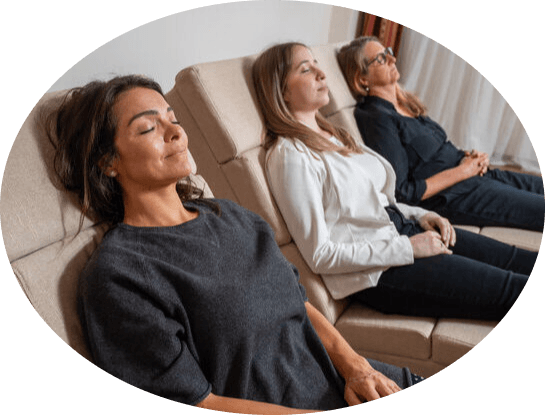
Holistic therapies such as meditation, yoga, and sound therapy support physical and emotional recovery. Individual counseling helps patients understand triggers and develop coping mechanisms. Family education and support programs strengthen recovery networks.
Post-treatment online coaching reinforces relapse prevention and long-term sobriety. Satori Recovery’s Malaga facility offers private, luxury accommodations, wellness amenities, and a safe environment. Evidence-based care and compassionate support ensure sustainable recovery.
Individuals struggling with prescription drug abuse may exhibit behavioural signs such as stealing “drug” money and lying to a healthcare provider to acquire prescription drugs. They may even neglect responsibilities at home, school, or work. It is also equally important to recognise physical and psychological symptoms, which include issues with sleep patterns, irritability, weight changes, dishevelled appearance, mood swings, and increased anxiety or depression.
Clinical guidelines are in place by the NHS to use prescription medications to prevent misuse. For instance, benzodiazepines should only be prescribed for 2-4 weeks. However, long-term prescription is a common practice in the UK and poses risks for dependence and abuse. Another risk factor is previous addiction; studies show that being addicted to prescription drugs is more common in people who have had substance abuse in the past, such as alcohol or heroin addiction. Moreover, a coexisting psychiatric condition can also increase the chances of medication misuse, such as in depression or anxiety disorders.
Over time, health complications may arise with prescription drug addiction. These drugs are processed by either the liver or kidneys, and long-term abuse can result in multiple organ damage. In addition to this, taking high doses of a drug may lead to fatal overdose, especially for opioids and other depressants. These substances cause respiratory depression, which is slow, ineffective breathing and can even result in death. Individuals engaged in such are also at increased risk for developing other mental health disorders, worsening the vicious cycle of addiction.
Several signs may indicate that someone is under the influence of opioids. Some of the signs of opioid use are:
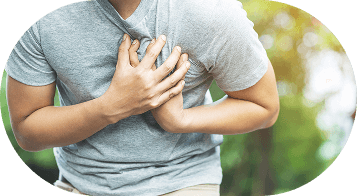
Opioid use can cause someone to feel several, sometimes contradictory, physical effects. The physical effects of opioid use may include constricted pupils, lowered heart rate and blood pressure, nausea, diarrhoea, constipation, sleepiness, or insomnia.
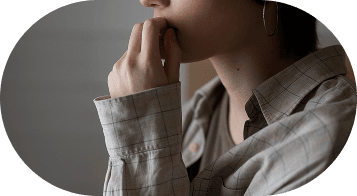
There are also behavioural effects to using opioids. People who are under the influence of opioids may slur their speech; they may be irritable or even violent. They may also exhibit drowsiness, their moods may fluctuate, and they may have trouble remembering things or concentrating.
In a study in 2014, Great Britain had the highest incidence of non-medical use of prescription drugs among the five EU countries studied. The commonly abused prescription drugs have not changed much over the past decade, and more often than not, these drugs are taken in combination with other substances such as alcohol, heroin, or others.
Pregabalin and Gabapentin are termed gabapentinoids and are primarily prescribed for seizure and nerve pain. There has been a steady number of cases of gabapentinoid misuse over the recent years. Though it can cause depressive symptoms, the danger does not lie in overdosing, as this may not be as serious, but gabapentinoids can be lethal when mixed with other substances such as alcohol and opioids. Heroin users have been reported to take these substances due to the heightened effects of heroin, even with intake of small amounts. As heroin and gabapentinoids are both depressants, death can result from respiratory depression and coma.
In general, antidepressants are not considered highly addictive at all. However, long-term use can lead to physical dependence. In the UK, patients with depression face the challenge of increased risk of dependence on these medications due to long waiting times for behavioural therapies that could take months before an appointment. This highlights multiple factors surrounding drug abuse and addiction.
Usually prescribed for pain relief from cancer pain, these potent medications are often abused because of their high addictive potential. The prolonged use of opioids can lead to dependence because of the euphoric effects and tolerance, requiring higher doses to achieve the same effect. Among the usually prescribed opioids are codeine, oxycodone, morphine, and fentanyl.
This class of medications is usually abused because of their calming effects. They are prescribed for the treatment of anxiety disorders, seizures, and insomnia. These drugs should only be prescribed for 2 to 4 weeks, but studies show that they are taken for at least 12 times longer than the recommended duration. Its increased use in heroin users is alarming due to the increased incidence of fatal drug overdose that can lead to death.
Detoxification is the process of eliminating the byproducts of drugs from the body. It is considered a safe and effective way to rid the body of these addictive substances. You may be subjected to detox if you are experiencing withdrawal symptoms since there is an increased risk of relapse during the withdrawal period. The whole process is done under medical supervision to ensure safety and efficacy.

Behavioural therapies focus on identifying problematic behaviours and triggers for prescription drug addiction and help the individual develop effective coping strategies. It is heavily action-oriented, aiming to change harmful behaviours and unhealthy thought patterns, preventing relapse. It involves techniques such as talk therapy to help regain control of one’s own life and rebuild healthier versions of themselves.

We offer counselling that is centred around the individual’s needs and helps address underlying emotional and psychological issues that fuel the addiction and strengthen support networks. Counselling can be done individually or with a group. Individual counselling helps build effective and healthier coping strategies, and group counselling fosters connection and shared experiences.
This combines the utilisation of medications with other therapies, such as counselling and behavioural therapies, to manage prescription drug addiction. Dependence and addiction to prescription opioids can be treated with buprenorphine and naltrexone. Both medications can block the effects of opioids in the brain, alleviate symptoms of withdrawal, and help curb cravings.
During treatment for alcohol use disorder at Satori Recovery, here’s what your treatment plan with us looks like.
Individual therapy consists of one-on-one talk therapies with a licensed therapist. These therapies will help you get to the root of your addiction and discover what’s causing your problems surrounding Prescription Drug.
One example of individual therapy that may be used during treatment is cognitive-behavioural therapy. It’s a goal-oriented type of therapy that helps you reframe your thoughts and behaviours so that you can manage the symptoms of Prescription Drug.
Group therapy is when you receive psychotherapy in a group setting. During group therapy, a therapist will guide sessions to ensure the session is productive and stays on track.
Group therapy offers several benefits beyond receiving treatment in a group setting. It’s also a way to receive peer support in a safe environment. Hearing the stories of other people can help reduce the feelings of isolation that are typically present when you’re going through addiction.
Holistic therapies aim to complement traditional therapies so that you have a more well-rounded recovery experience. These therapies may include yoga, mindfulness, art therapy, and more.
These are seamlessly integrated into your programme for a deeper level of healing. Engaging in holistic therapies also helps you rediscover passions and develop interests outside of addiction.
Aftercare is always important after going through inpatient treatment. After leaving a rehab centre, you’ll be constantly exposed to triggers that can lead to relapse. Maintaining what you have started is an important part of what needs to happen after primary treatment.
Aftercare plans provide continued therapy so you’ll know how to face challenges outside of rehab properly. We’ll also connect you with support groups, such as Alcoholics Anonymous or 12-step programmes, so that you can continue your recovery journey even after you leave our facility.
No. The stories reflect real recovery processes — from crisis and stabilisation to rebuilding daily functioning. Many people describe regaining control and choice rather than reaching a final, absolute “end point.”
No. Many arrive when their usual coping strategies stop working. This is often a point of overwhelm, emotional exhaustion, or loss of control — not necessarily extreme crisis.
Early experiences often involve tiredness and disorientation. According to recovery stories, the initial focus is calming the nervous system and restoring a sense of safety before deeper therapeutic work begins.
No. Recovery stories highlight daily structure, routine, nervous system regulation, body-based work, and practical support alongside therapeutic conversations.
Yes. Many stories come from individuals who tried other treatments before. What they often highlight at Satori is the slower pace, reduced pressure, and focus on stability rather than forcing rapid change.
Patients describe an environment without judgement or labelling. The therapeutic approach focuses on understanding patterns and mechanisms rather than blaming past decisions.
Yes. Recovery stories frequently mention preparation for everyday life after leaving — including boundaries, routines, relationships, and realistic coping strategies, not just detoxification.
No. Many individuals say motivation developed during treatment. At Satori, it is understood that willingness to stop coping in the same way is enough to begin.
There is no single moment. Stories describe gradual change — often subtle day to day, but noticeable over weeks of consistent structure, safety, and support.
Common themes include a calm environment, absence of pressure, and a focus on nervous system regulation and everyday functioning rather than only addressing symptoms.
Taking the first step toward recovery is a courageous decision — and you don’t have to do it alone. Whether you’re reaching out for yourself or someone you care about, our team is here to guide you through the process with compassion and confidentiality.
Let us understand your needs and recommend the right approach.
We’ll help you organise travel, answer your questions, and make the transition as smooth as possible
Your journey to lasting recovery begins here.